
Let’s be honest: for a long time, the words eco-friendly and fashionable felt like enemies. We pictured scratchy hemp sacks, shapeless beige tunics, or hiking gear worn to a coffee date.
Table Of Content
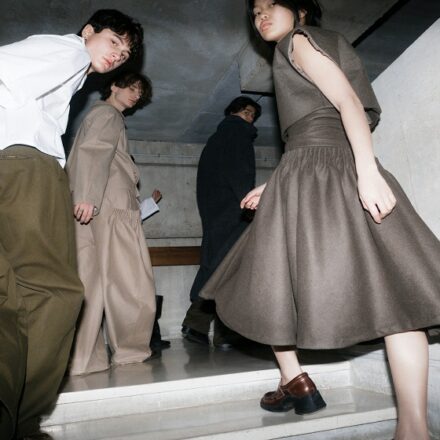
But here’s the 2025 reality: Sustainable fashion has never looked better.
From the red carpet to your Instagram feed, the new wave of eco-conscious dressing is sleek, sexy, and undeniably chic. You don’t have to sacrifice your personal style to save the planet. You just have to shop (and think) a little differently.
Here is your guide to dressing with intention without losing an ounce of cool.
1. The Golden Rule: Buy Less, Choose Better
This isn’t a cliché; it’s math. The most sustainable garment is the one already in your closet. Fast fashion relies on volume—$10 tops that fall apart after three washes.
The shift: Instead of buying five trendy tops, buy one high-quality, versatile piece.
- Look for: Dense stitching, natural fibers (cotton, linen, wool, Tencel), and solid hardware (zippers/buttons).
- The mindset: “Cost per wear.” That $200 leather jacket you wear 200 days a year is cheaper than the $50 jacket you wear twice.
2. Become a Fabric Snob (It’s Sexy)
Polyester is plastic. Every time you wash it, microplastics flow into the ocean. Plus, it traps sweat and smells bad faster.
The eco-chic fabrics to love:
- Tencel/Lyocell: Made from wood pulp in a closed-loop system. It feels like butter, drapes like silk, and is biodegradable.
- Organic Linen: Gets softer every time you wash it. It’s the ultimate “effortless cool” fabric for summer.
- Recycled Cashmere/Wool: Looks luxe, keeps you warm, and keeps textile waste out of landfills.
- Deadstock fabric: This is leftover fabric from big brands that would otherwise be incinerated. Brands that use deadstock are essentially saving garbage and turning it into limited-edition art.
3. Master the “Vintage Hunt”
Want a unique style that no one else at the party will have? Vintage is your cheat code. It’s the ultimate recycling, and it tells a story.
Pro tips for thrifting success:
- Know your measurements: Vintage sizing is chaos. Bring a measuring tape.
- Focus on tailoring: Buy the jacket that fits in the shoulders; you can alter the sleeves. A $20 tailor bill transforms a $10 Goodwill blazer into a $300 custom piece.
- Check the fabric tags: Avoid polyester from the 80s (yikes). Look for 100% cotton, silk, or wool.
Pro move: Use apps like Depop, Vinted, or The RealReal. You don’t even need to leave your couch to shop second-hand luxury.
4. The Capsule Wardrobe Illusion
You don’t need 100 items. You need 20 that work together.
A stylish sustainable wardrobe is built on a neutral base with a few “hero” pieces.
The Starter Capsule (All seasons):
- 2 good jeans (one light wash, one dark/black).
- 3 solid tees (organic cotton or hemp).
- 1 crisp white shirt.
- 1 blazer (thrifted or recycled wool).
- 1 leather jacket (vegan leather is plastic; look for recycled leather or second-hand real leather).
- 2 dresses (one casual, one formal).
- 1 great pair of boots + 1 clean sneaker.
Color palette: Navy, cream, olive, rust, and black. Everything matches everything.
5. Learn the “Repair Aesthetic”
That hole in your sock? The loose button? The hem coming undone? Fixing it isn’t “cheap”—it’s authentic.
Visible mending (using contrasting thread to patch a hole) has become a massive trend. It adds character. It’s Japanese Boro or Sashiko style. Suddenly, your jeans look artisan, not “worn out.”
Toolkit: Needle, thread, and a fabric shaver (to remove pills from sweaters). These three items will double the life of your wardrobe.
6. Greenwashing: Don’t Be Fooled
Big brands know you want to be green. So they lie.
- “Recycled Polyester” is still plastic. It sheds microplastics.
- “Capsule Wardrobe Collection” is just marketing to get you to buy new neutrals.
- Bamboo: Sounds great, but most bamboo is chemically turned into rayon (polluting). Look for Mechanically processed bamboo or Linen instead.
Real eco-brands will tell you where the factory is, what the wages are, and how to compost the garment. If they just slap a green leaf logo on it… walk away.
The Bottom Line: Style is a Feeling
Real style isn’t about having a lot. It’s about looking like you know exactly who you are.
When you wear a vintage Levi’s jacket you restored yourself, or a 100% linen dress from a fair-trade brand, you carry yourself differently. You feel the weight of quality, not the guilt of waste.
Sustainable fashion isn’t a limitation. It’s an invitation to be more creative, more individual, and more intentional.
The most stylish thing you can wear? Confidence. And knowing your clothes didn’t cost the earth.
*Ready to start? Try this: The next item you buy, ask yourself three questions: 1) Will I wear it 30 times? 2) Is it made from natural materials? 3) Can I buy it second-hand first?*
Happy eco-styling. 🌿