Understanding probiotics and gut health can be confusing, especially when supplement labels contain unfamiliar strains, CFU numbers, enzymes, and additional ingredients. A healthy digestive routine starts with everyday habits such as eating a varied diet, staying hydrated, getting regular movement, and paying attention to how your body responds to different foods. Supplements can be considered as an additional option when they fit a person’s nutritional needs and goals.
Table Of Content
- Why Probiotics and Gut Health Matter
- What to Look for in a Probiotic
- Digestive Enzymes as Another Option
- How Aspire Nutrition Fits the Topic
- Choosing Between Powder and Capsules
- Pricing, Shipping, and Customer Considerations
- Pros and Cons
- Frequently Asked Questions
- What are probiotics?
- Are probiotics necessary for everyone?
- What is the difference between probiotics and digestive enzymes?
- Does Aspire Nutrition sell probiotic powder?
- Does Aspire Nutrition sell digestive enzymes?
- Conclusion
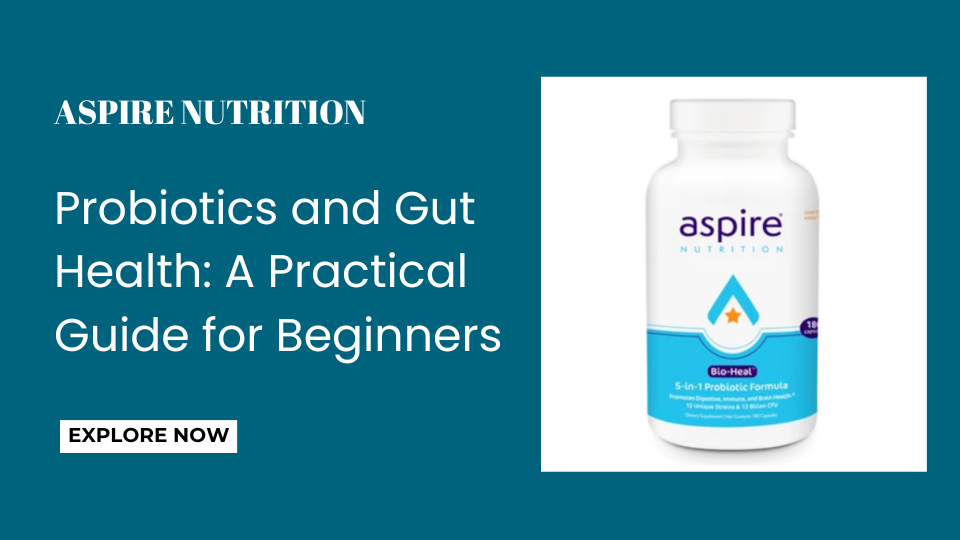
Probiotics are live microorganisms found in certain foods and supplements. Different products contain different strains and amounts, so comparing formulas rather than choosing based solely on a large number can be useful. Aspire Nutrition offers several gut-health products, including Bio-Heal probiotic formulas and TriEnza digestive enzymes, giving shoppers multiple formats and formulations to explore.
Why Probiotics and Gut Health Matter
The digestive system plays an important role in overall wellness. However, gut health depends on more than supplements.
A practical foundation includes:
- Plant foods and fiber
- Enough water
- Regular activity and sleep
- Fewer highly processed foods
- Supplements when appropriate
When looking at probiotics, it is also important to remember that different strains can have different characteristics. A product containing more strains or a higher CFU count is not automatically the right choice for every person.
What to Look for in a Probiotic
Reading a probiotic label can make comparison shopping easier. Start with the strain information, because the specific microorganisms included in a formula matter more than simply seeing the word “probiotic.”
Next, check the serving size and CFU information. CFU refers to colony-forming units and provides an indication of the number of viable microorganisms listed for the product.
You can also review:
- Number and types of probiotic strains
- Whether prebiotics are included
- Additional digestive enzymes
- Serving instructions
- Capsule versus powder format
- Allergens and dietary preferences
- Storage requirements, when applicable
These details help you compare products based on what is actually inside the formula instead of relying on broad marketing descriptions.
Digestive Enzymes as Another Option
Probiotics and digestive enzymes serve different roles, so they should not be treated as interchangeable products.
Aspire Nutrition’s TriEnza Digestive Enzymes Capsules use a multi-enzyme formula that includes enzymes such as lipase, lactase, amylase, proteases, and alpha-galactosidase. The company describes the formula as providing digestive support for a broad range of foods.
There is also a chewable TriEnza Lemon Pomegranate version. The current product page lists 180 chewable tablets, 45 servings, and a price of $68.99.
These options may be worth comparing if format is important to you. A capsule may suit someone who prefers a traditional supplement, while a chewable format can be more convenient for someone who dislikes swallowing capsules.
How Aspire Nutrition Fits the Topic
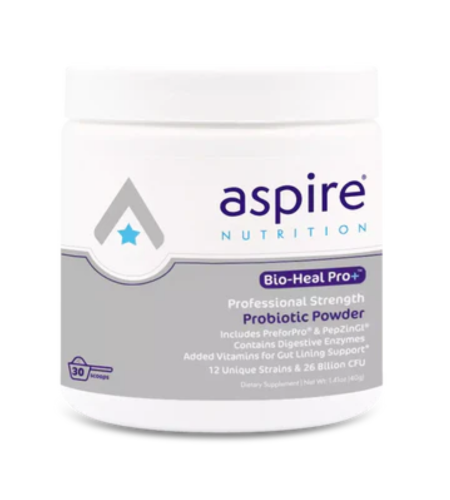
Aspire Nutrition has a dedicated gut-health collection featuring Bio-Heal 5-In-1 Probiotic Powder, Bio-Heal 5-In-1 Probiotic Capsules, Bio-Heal Pro+ formulas, and TriEnza digestive enzyme products.
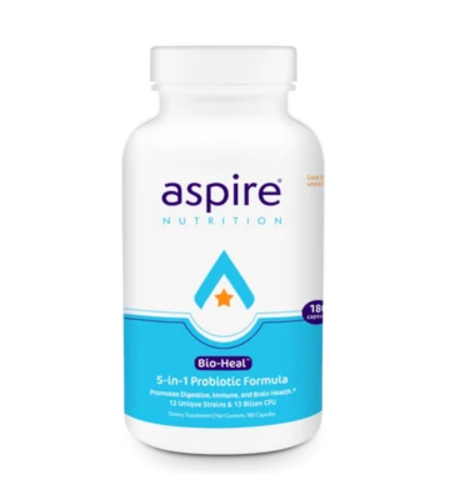
The Bio-Heal 5-In-1 Probiotic combines probiotics, prebiotics, and digestive enzymes. Aspire Nutrition lists 12 probiotic strains and 13 billion CFUs per serving. The unflavored powder can be mixed with food or drinks.
For shoppers who prefer capsules, the same Bio-Heal 5-In-1 concept is available in capsule form. The product page currently lists 180 capsules and a price of $59.99.
Choosing Between Powder and Capsules
The choice between powder and capsules often comes down to personal preference and routine.
Powders may be useful if you:
- Prefer mixing supplements into food or beverages
- Have difficulty swallowing capsules
- Want an unflavored format
Capsules may be useful if you:
- Prefer a straightforward supplement routine
- Want a portable format
- Do not want to mix supplements into drinks or food
Aspire Nutrition currently offers both powder and capsule versions of several gut-health formulas, allowing shoppers to compare formats rather than being limited to one delivery method.
Pricing, Shipping, and Customer Considerations
Current Aspire Nutrition listings show free domestic shipping on orders of $70 or more. The store also displays a 90-day guarantee on several products, although shoppers should review the current product and return terms before ordering.
Prices can vary between formulas and formats. For example, the current Bio-Heal 5-In-1 probiotic powder is listed at $54.99, while the capsule version is listed at $59.99.
This makes it useful to compare cost per serving, serving size, ingredients, and preferred format instead of looking only at the upfront price.
Pros and Cons
Potential advantages:
- Multiple probiotic formats
- Several strains in Bio-Heal formulas
- Powder and capsule choices
- Dedicated digestive enzyme options
- Clearly listed Supplement Facts
Things to consider:
- Supplements are not a replacement for a varied diet
- More ingredients do not automatically mean a formula is better for everyone
- Individual nutritional needs differ
- Current prices and policies can change
Frequently Asked Questions
What are probiotics?
Probiotics are live microorganisms used in certain foods and dietary supplements. Different probiotic strains can have different characteristics, so the specific formula matters when comparing products.
Are probiotics necessary for everyone?
No. Whether a probiotic supplement is appropriate depends on individual circumstances, diet, preferences, and nutritional needs.
What is the difference between probiotics and digestive enzymes?
Probiotics are microorganisms, while digestive enzymes are substances involved in breaking down components of food. They serve different functions and should not be considered identical supplements.
Does Aspire Nutrition sell probiotic powder?
Yes. Aspire Nutrition currently offers Bio-Heal 5-In-1 Probiotic Powder, described as an unflavored powder containing probiotics, prebiotics, digestive enzymes, and other ingredients.
Does Aspire Nutrition sell digestive enzymes?
Yes. Its current gut-health collection includes TriEnza Digestive Enzymes Capsules and TriEnza Digestive Enzymes Chewables.
Conclusion
Understanding probiotics and gut health starts with looking beyond product labels and focusing on the bigger picture: balanced nutrition, hydration, movement, sleep, and sustainable daily habits. If you decide to explore supplements, compare strains, serving information, ingredients, format, and current pricing before choosing a product.
Aspire Nutrition provides several options for shoppers exploring probiotic and digestive-support categories, including Bio-Heal probiotic formulas and TriEnza digestive enzymes. Reviewing the official product information can help you determine which format and formula best match your personal preferences and nutritional goals.