Let’s be real for a second. You’ve probably stared at a closet full of clothes—and still felt like you had “nothing to wear.” Or opened a drawer stuffed with old cables, expired coupons, and weird batteries. Sound familiar?
Table Of Content
- Why Minimalist Living Is More Than Just “Tidying Up”
- The Hidden Cost of Clutter (It’s Not Just Physical)
- Where to Start: Room-by-Room Decluttering (Without Overwhelm)
- 🧥 1. The Entryway & Closet
- 🍳 2. The Kitchen
- 🛋️ 3. Living Room
- 🛏️ 4. Bedroom (Your Sleep Sanctuary)
- The Emotional Side of Letting Go
- 5 Practical Decluttering Strategies That Actually Work
- Benefits You’ll Notice Immediately (and Long-Term)
- How to Maintain Minimalism Without Becoming Extreme
- Frequently Asked Questions (FAQs)
- 1. Is minimalist living only for single people without kids?
- 2. How do I declutter sentimental items without guilt?
- 3. What’s the difference between minimalism and just being organized?
- 4. How long does it take to declutter a whole house?
- 5. Do I have to throw things away? Can’t I donate or sell?
- 6. Will decluttering really reduce my stress?
- Final Thoughts: Your Life, Intentionally Designed
You’re not alone.
We live in a world that constantly tells us more is better. But more stuff often means more stress, more cleaning, and less space to actually breathe. That’s where minimalist living: how to declutter your life becomes more than a trend—it becomes a lifesaver.
The good news? You don’t need to throw away everything you own or move into a tiny house. Minimalism isn’t about deprivation. It’s about making room for what truly matters.
Let’s walk through a simple, human-friendly guide to clearing your home and mind—one small step at a time. 🧹
Why Minimalist Living Is More Than Just “Tidying Up”
When most people hear “minimalist living,” they imagine white walls, one chair, and zero personality. But real minimalism? It looks different for everyone.
At its core, minimalist living means intentionally choosing less so you can enjoy more—more time, more peace, more freedom.
Decluttering your life isn’t just about organizing your socks. It’s about:
- Reducing daily decision fatigue
- Lowering anxiety from visual chaos
- Saving money by buying less
- Creating space for hobbies, rest, or relationships
And no, you don’t need to be perfect. You just need to start.
The Hidden Cost of Clutter (It’s Not Just Physical)
Clutter doesn’t just sit there. It affects you.
🔹 Mental drain – Every visible item competes for your attention.
🔹 Lost time – Americans spend an average of 2.5 days per year looking for misplaced items.
🔹 Financial leak – Buying duplicates because you can’t find the original.
🔹 Emotional weight – Guilt over unused gifts or expensive purchases that now collect dust.
That’s why learning how to declutter your life isn’t selfish—it’s self-care.
Where to Start: Room-by-Room Decluttering (Without Overwhelm)
Trying to declutter your whole house in one weekend is a setup for burnout. Instead, break it down.
🧥 1. The Entryway & Closet
This is your first impression every single day.
- Remove shoes you haven’t worn in 6 months
- Donate coats that don’t fit or feel good
- Keep only 2–3 bags or backpacks per person
Pro tip: Use a “maybe box” for items you’re unsure about. Seal it. If you don’t open it in 3 months, donate it untouched.
🍳 2. The Kitchen
Cluttered counters kill cooking motivation.
- Keep only appliances you use weekly
- Store rarely-used items in cabinets or basement
- Toss expired spices, old containers, and duplicate utensils
One in, one out rule: New coffee maker? Old one goes.
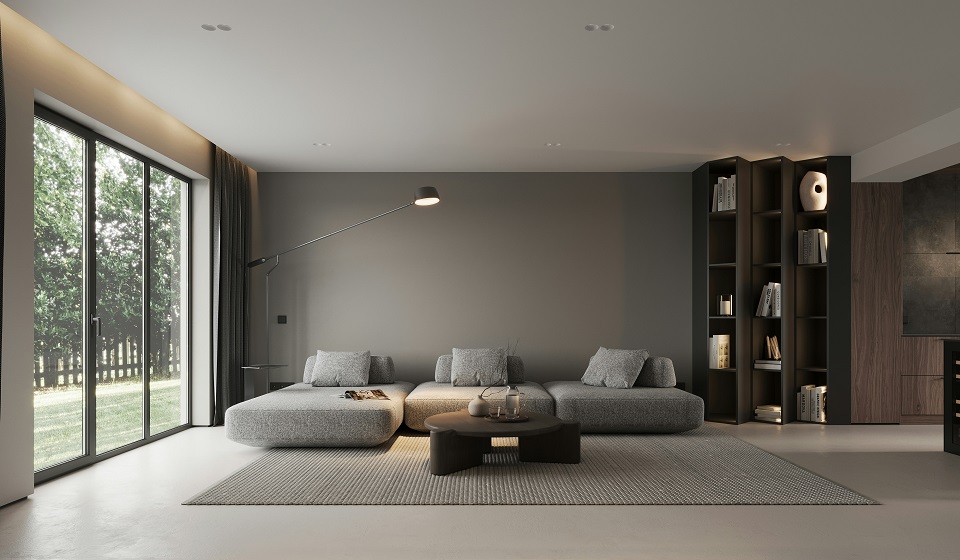
🛋️ 3. Living Room
This space should feel like rest, not storage.
- Limit decor to 1–3 meaningful pieces per surface
- Use baskets for remote controls, chargers, and mail
- Digitize DVDs, CDs, and old photo albums
🛏️ 4. Bedroom (Your Sleep Sanctuary)
Your bedroom affects your sleep quality more than you think.
- Clear nightstands completely except for a lamp and book
- Donate clothes that don’t fit your current body or lifestyle
- Remove exercise equipment, work papers, or TV screens
A calm room = a calm mind.
The Emotional Side of Letting Go
Here’s something most decluttering guides skip: it’s hard to let go.
That sweater from grandma. The guitar you swore you’d learn. The kids’ artwork from preschool.
You’re not a bad person for keeping things. But ask yourself this:
- Does this item add value to my current life?
- Or am I keeping it out of guilt, fear, or “just in case” thinking?
Start small. Donate one bag this week. Sell one item online. Give yourself permission to release the past so you can enjoy the present.
5 Practical Decluttering Strategies That Actually Work
These are tried-and-true methods from people who’ve successfully embraced minimalist living: how to declutter your life for good.
✅ The 30-Day Minimalism Game – Get rid of 1 item on day 1, 2 on day 2, etc. By day 30, you’ve removed 465 items.
✅ The 12-12-12 Challenge – Find 12 items to throw away, 12 to donate, and 12 to return to their proper place.
✅ The Hanger Trick – Turn all clothes hangers backward. After wearing something, turn it forward. After 6 months, donate anything still backward.
✅ The Five-Second Rule – If you see something that doesn’t belong, decide its fate in 5 seconds. Don’t overthink.
✅ Digital Declutter – Delete unused apps, unsubscribe from junk emails, and organize phone photos into folders.
Benefits You’ll Notice Immediately (and Long-Term)
When you start applying minimalist living: how to declutter your life, don’t be surprised if you feel lighter within days.
| Short-Term Benefits | Long-Term Wins |
|---|---|
| Less cleaning time | More savings from less buying |
| Easier mornings | Reduced anxiety |
| Guests without shame | Better focus at work |
| Finding things instantly | More energy for hobbies |
One client told me: “I thought decluttering would make me feel poor. Instead, I feel rich in time.”
How to Maintain Minimalism Without Becoming Extreme
Minimalism isn’t a finish line. It’s a daily choice.
- Do a 5-minute nightly reset (put 3 things back in place)
- Avoid “retail therapy” by asking: Where will this live?
- Before buying anything new, remove one similar item
- Schedule a “declutter hour” once a season
Remember: Minimalism should fit your life, not the other way around. Have kids? Keep the art supplies. Love cooking? Keep the good knives. Just remove the noise.
Frequently Asked Questions (FAQs)
1. Is minimalist living only for single people without kids?
Not at all! Family minimalism looks different, but it works. Focus on shared spaces, involve kids in donation decisions (e.g., “Which toy can we give to another child?”), and prioritize systems over perfection.
2. How do I declutter sentimental items without guilt?
Take a photo first. Keep a small memory box (e.g., shoebox size) for truly irreplaceable items. Ask: “Would I buy this again today?” If not, it’s okay to let go with love.
3. What’s the difference between minimalism and just being organized?
Organization is arranging stuff. Minimalism is questioning whether you need the stuff at all. You can have an organized home full of things you don’t use. Minimalism goes deeper.
4. How long does it take to declutter a whole house?
For most people, 4–6 weeks working in short bursts. Start with visible areas (bathroom, kitchen counters) before tackling closets or garages. Slow and steady wins here.
5. Do I have to throw things away? Can’t I donate or sell?
Absolutely donate or sell! Facebook Marketplace, local Buy Nothing groups, thrift stores, and consignment shops are great options. Just don’t let “finding the perfect home” delay action. Get it out within 7 days.
6. Will decluttering really reduce my stress?
Yes—multiple studies show that physical clutter increases cortisol (stress hormone). Even just clearing your desk or nightstand can improve mood and sleep quality within days.
Final Thoughts: Your Life, Intentionally Designed
You don’t need a perfect, Instagram-worthy home to benefit from minimalist living: how to declutter your life. You just need to start where you are, with what you have.
Pick one drawer today. One shelf. One corner of your bedroom.
Notice how it feels to see less but appreciate more.
And if you slip up? That’s fine. Minimalism isn’t about being a monk—it’s about being intentional. You’ve got this. 🌿