
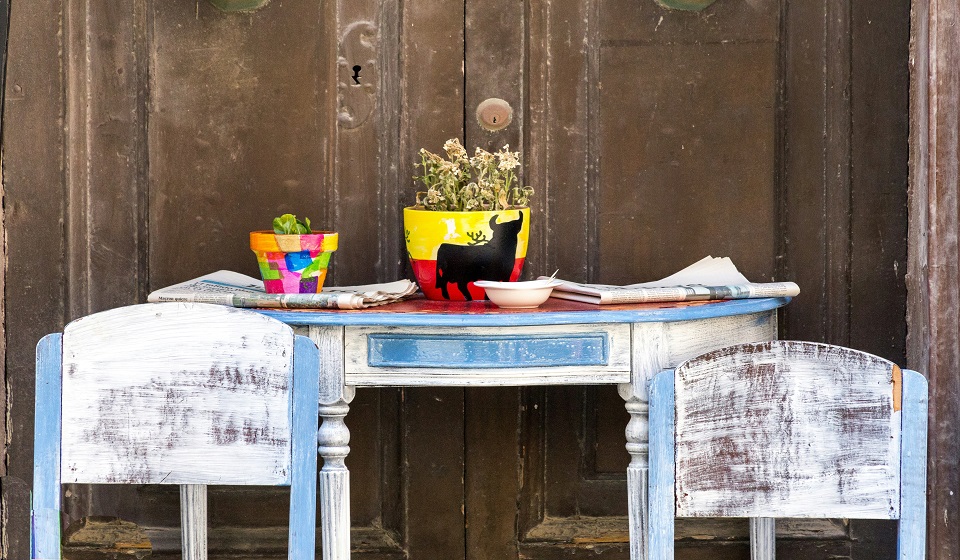
Let’s be honest for a second. We all have that one piece of furniture lurking in the garage, basement, or spare bedroom. You know the one—the scratched dresser, the wobbly chair, or the outdated coffee table you can’t bear to throw away.
Table Of Content
- Why Upcycle? (Spoiler: It’s Not Just About Saving Money)
- The Ultimate Before & After: 4 Jaw-Dropping Transformations
- 1. The “Boring Brown” Dresser to Bold Statement Piece
- 2. Vintage Wooden Crate to Rolling Kitchen Island
- 3. Outdated Wardrobe to Open Pantry
- 4. Wobbly Dining Chair to Plant Stand
- The 5-Step Upcycling Roadmap (Anyone Can Do This)
- H3: Step 1: Assess & Clean (Don’t Skip This!)
- H3: Step 2: Repair the Bones
- H3: Step 3: Sand (Or Don’t – Smart Cheat)
- H3: Step 4: Prime & Paint
- H3: Step 5: Upgrade the Hardware
- 3 Common Mistakes to Avoid (Learn From My Fails)
- The Best Tools & Materials for Upcycling Success
- Beyond Paint: 3 Unexpected Upcycling Techniques
- Frequently Asked Questions (FAQs)
- Conclusion: Your Trash is Someone Else’s Treasure (Including Yours)
But here is the good news: You don’t need a truck to haul it to the dump. You need a paintbrush, a little imagination, and a willingness to get your hands dirty.
Welcome to the world of upcycling old furniture: creative before & after ideas that save you money, reduce waste, and turn “trash” into treasure. In this guide, I’ll walk you through real transformations, pro tips, and the exact steps to make your own DIY masterpiece. 🪑✨
Why Upcycle? (Spoiler: It’s Not Just About Saving Money)
Before we dive into the “how,” let’s talk about the “why.” Upcycling isn’t just a trendy TikTok hashtag. It is a movement toward sustainable, mindful living.
- Environmental Impact: Furniture waste fills massive landfills. Upcycling keeps wood, metal, and fabric in circulation.
- Budget Friendly: A 10canofchalkpaintcanturna50 flea market find into a piece that looks like it costs $500.
- Customization: Tired of beige, mass-produced showroom furniture? Upcycling lets you match your exact color palette and style.
- Sentimental Value: Grandma’s old nightstand becomes a functional piece you actually love, not a guilt trip in the corner.
Pro Tip: The best candidates for upcycling are solid wood pieces. Avoid particleboard or veneers that are already bubbling—they don’t hold paint well.
The Ultimate Before & After: 4 Jaw-Dropping Transformations
Let’s get visual. Here are four real-world examples of upcycling old furniture: creative before & after ideas that work for beginners and pros alike.
1. The “Boring Brown” Dresser to Bold Statement Piece
The “Before” Scenario: A generic 1990s oak dresser with brass handles. Stained, scratched, and sad.
The Creative Idea: Don’t just paint it white. Go bold. Use a deep emerald green or navy blue for the body, then swap the old brass handles for leather pulls or matte black iron knobs.
How to do it:
- Sand lightly (just to rough up the finish).
- Apply two coats of high-adhesion bonding primer.
- Use chalk paint for a matte, velvety finish.
- Distress the edges lightly with sandpaper for a vintage farmhouse look.
The “After” Result: A moody, modern dresser that looks like a designer boutique piece.
2. Vintage Wooden Crate to Rolling Kitchen Island
The “Before” Scenario: Two old wine crates or apple boxes collecting dust.
The Creative Idea: Stack them, screw them together, and add locking casters to the bottom.
Why it works: You gain portable storage and extra counter space. Paint the crates in a pastel mint or buttermilk yellow to brighten a small kitchen.
Pro Upgrade: Add a butcher-block off-cut on top for a durable cutting surface.
3. Outdated Wardrobe to Open Pantry
The “Before” Scenario: A bulky armoire from the 1980s with solid doors.
The Creative Idea: Remove the doors entirely! Sand the inside, paint the back wall with chalkboard paint, and install simple floating shelves.
The “After” Result: An open, airy pantry for your kitchen or coffee station for your home office. Add battery-operated puck lights to the ceiling of the armoire for instant ambiance. 💡
4. Wobbly Dining Chair to Plant Stand
The “Before” Scenario: A chair with a broken spindle (too dangerous to sit on).
The Creative Idea: Cut out the seat, leaving only the frame. Paint it a cheerful coral or sunny yellow.
The “After” Result: The perfect boho plant stand. Pop a trailing pothos or a fern right where the seat used to be. It’s functional, quirky, and saves a chair from the landfill.
The 5-Step Upcycling Roadmap (Anyone Can Do This)
Feeling inspired? Great. Here is your simple, repeatable process for any upcycling old furniture: creative before & after ideas project.
H3: Step 1: Assess & Clean (Don’t Skip This!)
Grab a magic eraser or a mix of dish soap and warm water. Remove all dirt, grease, and sticky residue. Let it dry completely.
H3: Step 2: Repair the Bones
Tighten loose screws, glue wobbly legs with wood glue, and fill deep scratches with wood filler. A shaky piece will always look cheap, no matter how beautiful the paint is.
H3: Step 3: Sand (Or Don’t – Smart Cheat)
- Need a smooth, modern finish? Sand with 120-grit paper, then 220-grit.
- Using chalk paint or milk paint? You can often skip sanding. Just clean and paint. (This is my lazy-girl secret.)
H3: Step 4: Prime & Paint
- Primer: Use stain-blocking primer on wood that might bleed tannins (like cedar or oak).
- Paint: Thin coats are your friend. Two thin coats > one thick, gloppy coat.
- Seal: For high-use surfaces (tabletops, nightstands), use a water-based polyurethane topcoat. For decor pieces, wax is fine.
H3: Step 5: Upgrade the Hardware
This is where the magic happens. Swap old knobs for ceramic, glass, or leather ones. Spray paint existing hinges with a matte brass or oil-rubbed bronze finish for a $5 facelift.
3 Common Mistakes to Avoid (Learn From My Fails)
I have ruined my fair share of thrift store finds. Here is what not to do:
❌ Painting over wax or oil. If the furniture was previously treated with lemon oil or furniture wax, paint will bead up like rain on a windshield. Fix: Wipe down with mineral spirits first.
❌ Forgetting to label hardware. Take a photo of where each screw and drawer pull goes. Or tape them to a piece of cardboard. Trust me on this.
❌ Rushing the dry time. I know you are excited. But touching tacky paint ruins the finish. Wait the full 24 hours before adding a second coat.
The Best Tools & Materials for Upcycling Success
You don’t need a full woodshop. Here is my budget-friendly starter kit:
- A good sanding block (or an orbital sander if you have one)
- Chalk paint (Fusion Mineral or Annie Sloan are great; Waverly from Walmart works too)
- Angled brush (no bristle loss!)
- Tack cloth (to wipe away sanding dust)
- New hardware (check Etsy or Hobby Lobby clearance)
- Patience (the most important tool 😄)
Beyond Paint: 3 Unexpected Upcycling Techniques
If you think upcycling is just “paint it white,” think again.
- Decoupage: Use Mod Podge to glue decorative napkins or fabric onto drawer fronts. Floral or botanical prints look stunning on nightstands.
- Stenciling: Add a geometric or Moroccan pattern to a plain tabletop. Use a foam roller for crisp lines.
- Rub ‘n Buff: This metallic wax turns boring plastic drawer pulls into faux silver or gold. One tiny tube does dozens of handles.
Frequently Asked Questions (FAQs)
1. What is the difference between upcycling and refinishing?
Refinishing means restoring a piece to its original state (like stripping paint off a wood table to reveal the natural grain). Upcycling means changing its purpose or appearance entirely (like turning a door into a headboard). Both are great, but upcycling allows for more creativity.
2. Do I need to sand old furniture before painting?
Not always. If you use quality chalk paint or mineral paint, you can usually paint directly over a clean, dull surface. However, for high-gloss finishes or laminate, a light sanding (or a liquid deglosser) is highly recommended to prevent peeling.
3. What is the best paint for upcycling furniture?
For beginners: Chalk paint (no sanding, dries fast, matte finish). For durability: Acrylic latex with a poly topcoat. For a smooth, sprayed look: Milk paint. Avoid basic craft acrylics—they are too thin.
4. Can you upcycle IKEA furniture?
Absolutely! IKEA’s solid wood pieces (like the HEMNES series) take paint beautifully. For their laminated veneer pieces (LACK, KALLAX), use a bonding primer like STIX or Zinsser BIN first, then any latex paint.
5. How do I sell my upcycled furniture?
Facebook Marketplace, Craigslist, or local vintage markets are best. Take bright, natural-light photos. In your listing, use keywords like “hand-painted,” “one-of-a-kind,” and describe the transformation. Price it at 3x your material costs.
6. Is upcycling really eco-friendly?
Yes! When you upcycle, you keep furniture out of landfills, reduce demand for new wood harvesting, and avoid the carbon emissions of factory-made furniture. You are also avoiding the toxic off-gassing (VOCs) of brand-new particleboard furniture. 🌎
Conclusion: Your Trash is Someone Else’s Treasure (Including Yours)
The beauty of upcycling old furniture: creative before & after ideas isn’t just the final photo. It’s the process—the messy garage, the smell of coffee and paint, and the pride you feel when someone says, “Wait, you did that yourself?”
So take a second look at that dusty bookcase. See that old stool? Your next favorite piece of home decor is hiding in plain sight. Start small, have fun, and remember: Even a “failed” project teaches you something for the next one.
Now grab your paintbrush. Your furniture is waiting for its second life. ♻️🛠️