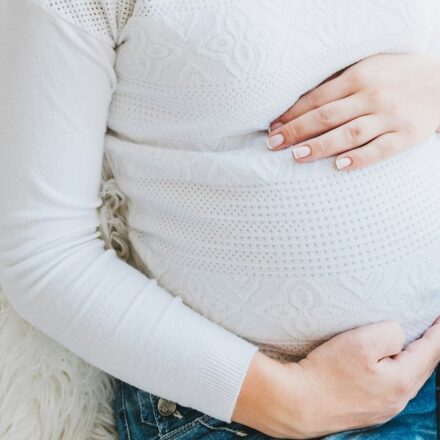
Pregnancy brings a whirlwind of changes, and one of the most talked-about is the sudden, intense desire for specific foods—often in bizarre combinations. Pickles and ice cream? Peanut butter on pickles? Or even non-food items like ice or dirt? If you’re pregnant and wondering why your taste buds have gone rogue, you’re not alone.
Table Of Content
- Why Do Pregnancy Cravings Happen?
- Common Weird Pregnancy Cravings and What They Might Mean
- Pica: When Cravings Turn Serious
- Are Cravings Harmful? When to Worry
- How to Manage Pregnancy Cravings Healthily
- Frequently Asked Questions About Pregnancy Cravings
- The Bottom Line: Cravings Are Normal (Mostly)
This comprehensive guide decodes pregnancy cravings, explores what they might mean, separates fact from fiction, and offers practical tips for handling them healthily. Whether you’re in your first trimester or craving something unusual at 3 a.m., we’ve got you covered.
Why Do Pregnancy Cravings Happen?
Pregnancy cravings typically begin in the first trimester, intensify during the second, and often ease by the third or after birth. Hormonal shifts are a primary driver. Hormones like human chorionic gonadotropin (hCG), progesterone, and estrogen heighten your sense of smell and taste, making certain foods irresistible while triggering aversions to others.
Other contributing factors include:
- Blood sugar fluctuations and increased energy needs for the growing baby.
- Nutrient demands — though the evidence linking specific cravings directly to deficiencies is largely anecdotal.
- Psychological and cultural influences — stress, emotions, or memories of comfort foods can play a role.
Importantly, research shows cravings aren’t universal across cultures. In some places, women report craving rice or other staples rather than the sweet-salty combos common in Western countries.
Myth Buster: There’s no strong scientific proof that cravings mean your body is specifically signaling for a missing nutrient (like “ice cream = calcium deficiency”). If that were true, we’d all crave broccoli more than chocolate!
Common Weird Pregnancy Cravings and What They Might Mean
Here are some frequently reported cravings, along with popular interpretations (remember, these are often not backed by hard science but can offer clues):
- Pickles and Salty Foods: Often linked to increased blood volume and sodium needs. Pickle cravings are sometimes associated with iron deficiency or electrolyte balance.
- Ice Cream, Sweets, and Dairy: May relate to calcium or quick energy needs. The classic “pickles and ice cream” combo blends sour and sweet.
- Spicy Foods or Sour Items: Heightened senses or relief from nausea. Some suggest it helps with digestion or sensory changes.
- Carbs and Comfort Foods (pizza, fries, bread): Blood sugar dips or simply emotional comfort during hormonal rollercoasters.
- Fruits (especially citrus): Possible vitamin C or hydration signals.
- Meat or Protein-Rich Foods: Iron or protein demands, particularly if experiencing fatigue.
The Weirdest Combinations:
- Pickles dipped in peanut butter or ice cream.
- Ice cream with hot sauce.
- Tuna and banana, or sardines with jam.
- Hot Cheetos in yogurt.
These odd pairings often stem from conflicting sensory desires (sweet + salty/sour) amplified by pregnancy.
Pica: When Cravings Turn Serious
One of the strangest and most concerning cravings is pica — the urge to eat non-food items like ice (pagophagia), dirt, clay, chalk, paint chips, laundry detergent, or even burnt matchsticks.
Pica is more common during pregnancy due to heightened nutritional demands and is frequently linked to iron deficiency anemia or other mineral shortages. It’s not something to ignore—eating these items can pose risks like toxicity, parasites, or digestive blockages.
Action Step: If you’re craving non-food items, contact your healthcare provider immediately for blood tests and guidance. Safe alternatives and supplements can often resolve the underlying issue.
Are Cravings Harmful? When to Worry
Most pregnancy cravings are harmless if indulged in moderation. However:
- Excessive intake of high-sugar, high-fat, or processed foods can contribute to excessive gestational weight gain.
- Cravings paired with nausea/vomiting may lead to nutritional gaps if not balanced.
Red Flags:
- Cravings that interfere with eating a balanced diet.
- Pica (non-food items).
- Sudden intense aversions leading to significant weight loss or dehydration.
Always discuss persistent or unusual cravings with your OB-GYN or midwife.
How to Manage Pregnancy Cravings Healthily
You don’t have to deny yourself entirely—pregnancy is challenging enough! Focus on balance:
- Stay Hydrated — Thirst is sometimes mistaken for cravings. Aim for 8–12 cups of water daily.
- Eat Balanced Meals — Smaller, frequent meals help stabilize blood sugar. Include protein, healthy fats, fiber, and complex carbs.
- Healthy Swaps:
- Sweet craving? Try fruit with yogurt or dark chocolate.
- Salty? Opt for lightly salted nuts, popcorn, or roasted chickpeas.
- Creamy? Greek yogurt or smoothies.
- Plan Ahead — Stock healthy snacks and prepare meals to avoid impulsive choices.
- Listen to Your Body — Occasional treats are fine. Enjoy that scoop of ice cream guilt-free, then pair it with something nutritious.
- Prenatal Vitamins — These help cover potential gaps.
- Rest and Manage Stress — Fatigue and anxiety can amplify cravings.
Frequently Asked Questions About Pregnancy Cravings
When do pregnancy cravings start? Often in the first trimester, peaking in the second.
Do all pregnant women get cravings? No. Many do, but some experience none at all.
Can cravings predict the baby’s gender? Pure myth—no scientific evidence supports this.
What if I crave something unhealthy all the time? Moderation is key. Satisfy it occasionally and balance with nutritious foods.
Are cravings different in every pregnancy? Yes—they can vary widely between pregnancies and individuals.
Disclaimer: This article is for informational purposes only and is not a substitute for professional medical advice. Always consult your healthcare provider for personalized guidance.
Stay healthy and enjoy this beautiful (and sometimes bizarre) chapter. 💕
The Bottom Line: Cravings Are Normal (Mostly)
Weird pregnancy cravings are a common, often quirky part of the journey. While they may not be precise nutrient messengers, they reflect the incredible changes happening in your body. Focus on overall nutrition, listen to your healthcare team, and give yourself grace.
Every pregnancy is unique—what’s weird to one mom might be another’s daily snack. Embrace the experience, share your funny stories, and prioritize a balanced plate alongside those occasional indulgences.
Have a wild craving story? Drop it in the comments below—we’d love to hear (and maybe laugh)!